
Window Tinting for Police Vehicles
Picture a twelve-hour shift in a Phoenix patrol unit in mid-summer. The engine is idling, the laptop mount is soaking up sun, and the black dash is radiating heat like a pizza stone. Now picture that same shift with glass that actually pushes back.
That's the difference good police vehicle window tint makes. We work on a lot of vehicles that live outdoors in the Valley, and few of them work harder than the ones parked on a shoulder off the I-10 at 2 p.m. Officers don't get to pick the shady side of the street. The car has to do that job for them, especially when faster cabin cool-down times can make a noticeable difference between calls.

What Police Window Tint Really Does on a Valley Shift
Most people think tint is about looks. For a law enforcement vehicle, looks are the least of it. A quality ceramic film rejects a big share of the infrared heat that makes cabins miserable, which means the A/C isn't fighting a losing battle all day and can provide added protection for vehicle electronics exposed to extreme cabin temperatures.
Here's what departments and officers usually notice first:
- Cooler cabins and less glare on mobile data terminals, so screens stay readable when the sun drops low over the West Valley
- Reduced UV exposure for the officer's arms and face, plus less fading and cracking on seats and dash components
- More privacy for gear and occupants, especially in the rear compartment
- Glass that holds together better if a window gets broken, since the film helps keep shards from scattering across the cabin
None of that is flashy. All of it adds up over thousands of hours behind the wheel.
"Wait, Is That Even Legal?"
Fair question, and one we hear often. Arizona window tint laws have specific rules on how dark front side windows can go, along with limits on windshield tint and reflectivity.
Agencies also tend to have their own written specs for patrol, unmarked, and transport units, and those specs don't always match each other.
Our approach is simple. We ask for your department's requirements before anything gets cut, then we match the film shade and type to that spec and to state law.
If your agency doesn't have a written standard yet, we can walk your fleet manager through the options and what each one looks like from inside and outside the car. No guessing, no surprises at a traffic stop.

Paint Protection Film for Cruisers That Never Get a Day Off
Patrol vehicles take a beating that personal cars rarely see. Push bumpers, gravel from desert shoulders, door edges that open and close a hundred times a shift, and fender areas that collect every rock kicked up on the Loop 101.
Paint Protection Film is a clear, self-healing urethane layer that sits on the high-impact areas and takes the damage so the paint underneath doesn't. It's especially handy on newer units with fresh livery, because it protects the finish without hiding the markings. When a vehicle eventually cycles out of service, cleaner paint can also help with resale or reassignment.
Ceramic Coating: Because Fleet Washes Are a Losing Battle
Have you ever watched dust settle on a car ten minutes after it left the wash? Welcome to Phoenix. That’s why protection against desert dust matters so much for vehicles that spend nearly every day outside.
Ceramic Coating bonds to the paint and creates a slick, glossy surface that sheds dirt, bird droppings, and hard-water spots far more easily.
For a fleet, that means quicker washes, less scrubbing, and units that look sharp at community events without a full detail. It also adds a layer of defense against the UV that slowly chalks out clear coat in our climate.
Pair it with PPF on the front end and you’ve got a vehicle that’s genuinely easier to maintain.
What to Expect When Your Unit Rolls In
We know a patrol car sitting in a shop is a patrol car not on the road, so we plan around that. Before the vehicle arrives, we confirm the film specs, any PPF coverage areas, and whether Ceramic Coating is part of the package. That way the install starts right away.
During the visit, our installers prep and clean every surface, then hand-fit the auto window tint to each piece of glass.
We take extra care around antennas, light bars, cameras, and any equipment mounted near the windows. If PPF and coating are included, those go on in the same visit whenever possible, so you’re not scheduling three separate trips.
Running a larger fleet? We can stagger vehicles so your agency never has too many units out at once.


What Happens After the Keys Come Back
Fresh tint needs a few days to fully cure, so we’ll ask that windows stay rolled up for a short period. You may notice a little haziness or small water pockets at first.
That’s normal and it clears up on its own as the film dries, faster in Arizona heat than almost anywhere.
We’ll go over care instructions for the tint, the PPF, and the coating before the vehicle leaves, including which cleaning products to avoid.
And if anything doesn’t look right down the road, give us a call. Our installation work is backed by warranty, and we’d much rather fix a small issue early than have an officer living with it.
Ready to Cool Down the Fleet?
Whether you're outfitting one unmarked unit or an entire patrol division, our team in Phoenix is happy to talk through specs, timing, and the right mix of window tint, Paint Protection Film, and Ceramic Coating for your vehicles. Reach out to AZ Tint Pros for a quote, and let's get your officers into cabins that feel a lot less like a parked oven.
CALL TODAY TO SCHEDULE YOUR APPOINTMENT!
Questions We Hear From Phoenix Departments
How long does it take to tint a police vehicle?
Most patrol units are in and out the same day for window tint alone. Adding Paint Protection Film or Ceramic Coating can stretch that to a day or two, depending on coverage. For fleet jobs, we schedule vehicles in rotation so your agency keeps enough units on the road while the work gets done.
Will window tint interfere with cameras, radios, or other equipment?
It shouldn’t. Ceramic films are non-metallic, so they won’t block radio signals, GPS, or cellular connections the way some older metallic films could. Our installers also work carefully around dash cameras, light bars, and window-mounted gear, and we’ll flag anything that needs special attention before we start.
Can you match the tint specs our department already uses?
Absolutely. Send over your agency’s written requirements and we’ll match film shade and type unit by unit, so every vehicle in the fleet looks and performs the same. If your department doesn’t have a standard yet, we’re happy to show your fleet manager samples and help put one together that fits Arizona law.
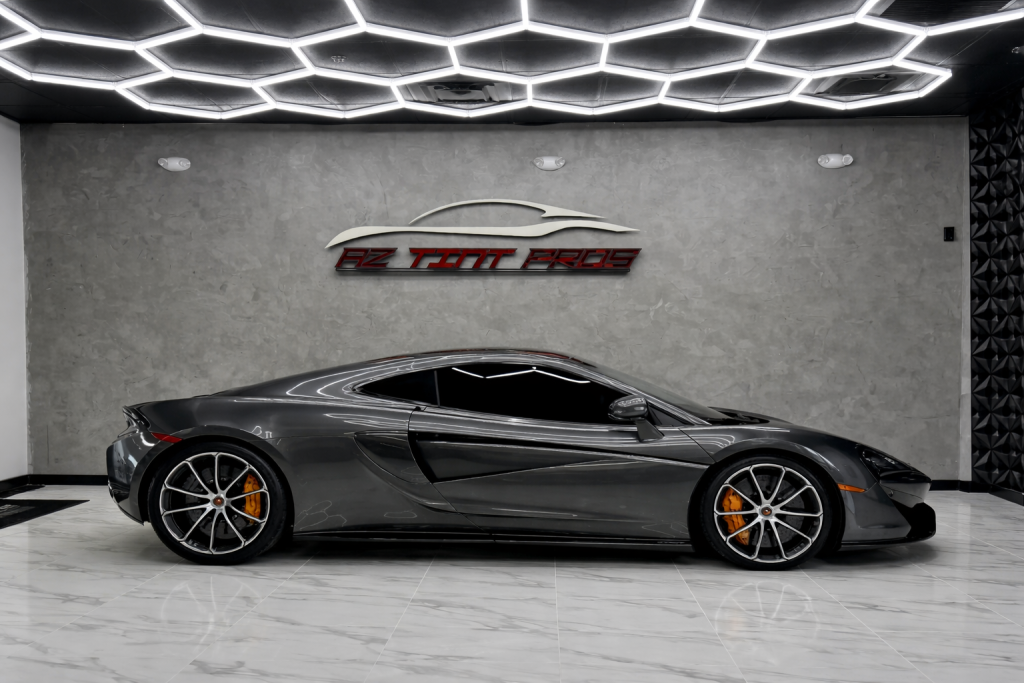
AZ Tint Pros Location
- 24820 N 16th Ave Suite 115, Phoenix, AZ 85085
- (602) 516-5262
- Monday - Friday 8 AM–4 PM